|
For all information,
please contact the Director,
Miss Jane E. Emerson
The Dyscalculia Assessment (2010)
* Shows you how to discover why a child is struggling with basic numeracy
* Explains what you can do to help children to learn essential number facts and concepts
To order, contact Orca Book Services on 01235 46577
www.continuumbooks.com
Or buy on Amazon
The Emerson House centre in Hammersmith
|
About Emerson House
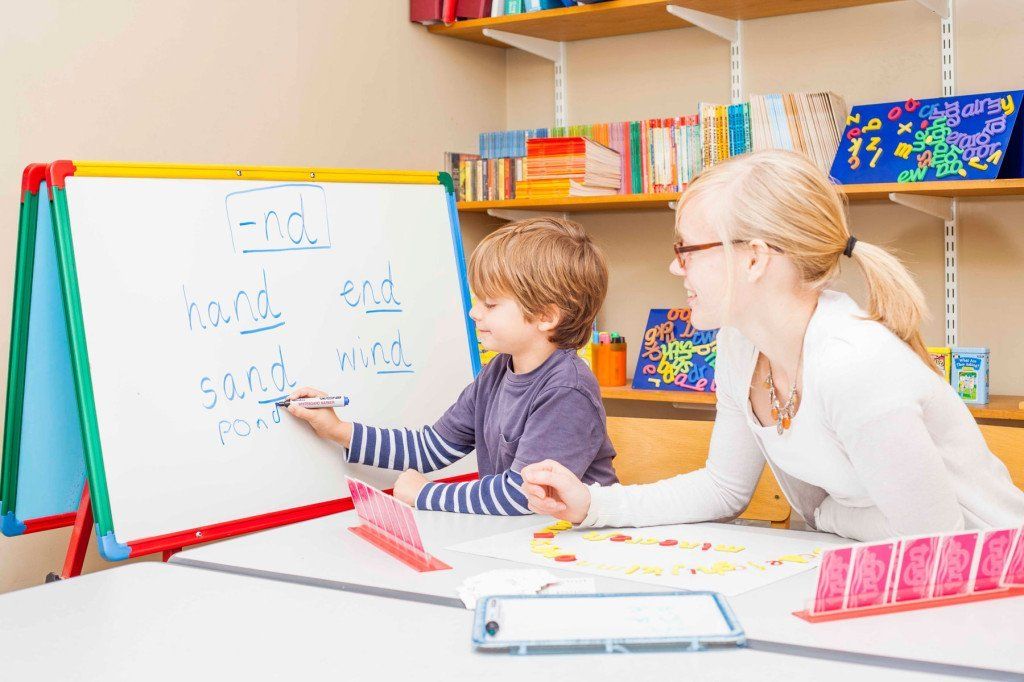
Emerson House was set up in 1991 by Jane Emerson and the late Dorian Yeo as a centre for primary-age children aged 5-11 who need extra help with literacy and numeracy. Touch-typing classes that also address reading and spelling are also available. Our teachers are trained specialists with extensive experience in teaching children with dyslexia, dyspraxia and /or dyscalculia. Children are taught in small groups with some individual tuition. They benefit from concentrated extra attention from expert teachers. Our pupils come to us from both the independent and state sectors with all activities being conducted at our centre in Hammersmith, West London.
Many parents approach us directly for initial advice about their child; other children are referred to us by their schools together with their parents, and some are referred via educational psychologists and other professionals. All routes of enquiry are very welcome.
About Jane Emerson
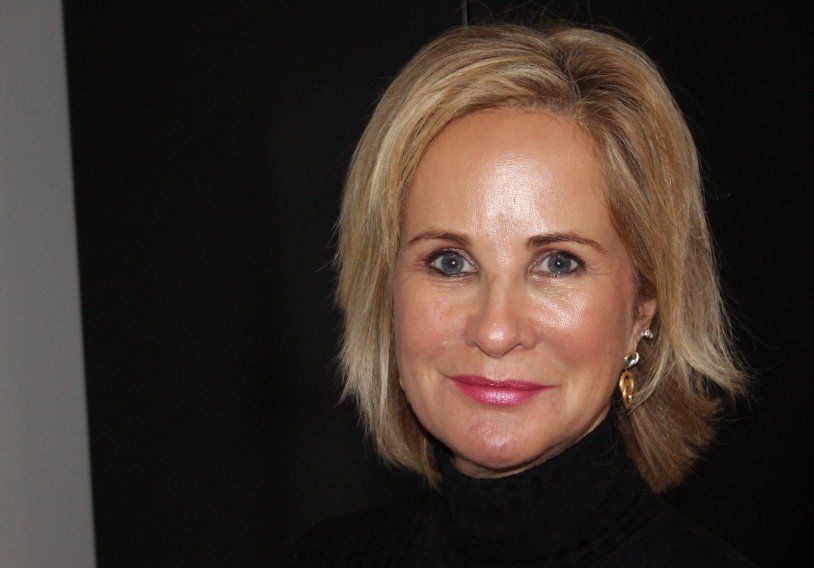
Jane Emerson is a speech and language therapist with more than 25 years’ experience of working with children. She lectures widely, appearing both on national television and in publication, and is recognized as a leader in the field of identifying and teaching children with dyslexia and dyscalculia. Her 2010 book The Dyscalculia Assessment (Continuum Books), co-written with Trish Babtie, won Best Special Education Resource 2011 at the prestigious BESA Education Resource Awards and is used by many schools nationally as a key diagnostic and assessment tool for identifying children with underlying maths difficulties. Emerson House also runs training courses for teachers, and the Emerson House Maths Course For Teaching Children With Maths Difficulties has now been successfully completed by teachers from a variety of UK preparatory, primary, secondary and boarding schools.
Who attends Emerson House and when do they attend?
Children who attend are aged between 6 and 11 years of age and are usually of good intelligence. They may be underachieving due to varying degrees of dyslexia, dyspraxia and/or dyscalculia and some children may also have some weakness on the ADD continuum. Emerson House specialises in helping motivated children who are keen to learn, in a friendly, happy and productive environment. At all times the well-being of the child is key and the centre works on building or re-building the child’s self-confidence through the experience of making successful progress.
Most children attend Emerson House for at least two mornings per week, some for three or four mornings, depending on the child’s individual needs, and the parents and current school’s wishes. We can also cater for children who need to attend full-time (five mornings) if they are between schools, having a couple of terms or an academic year out of their regular school with a view to returning full time, or having a rethink about the best educational route to take in the future. Some children attend for individual lessons in the afternoons and after school if their needs can be met in this way. Morning children study literacy, numeracy and touch-typing in carefully-planned programmes determined by their own individual needs. Our morning schedules finish at 12.30 p.m. when children are free to return to their own schools for lunch.
How we can help the dyslexic child
The centre specialises in teaching children not only to read and spell well, but also to enjoy reading as well as understanding what they read. This is achieved by ensuring that children are reading books at a level that is appropriate for them, whilst working towards increasing reading-age via an individually designed program. We also train the child in the underlying skills that lead to reading success. These include phonological processing and building visual recognition skills. Many children also follow a specialist programme of touch-typing tuition.
How we help the dyspraxic child
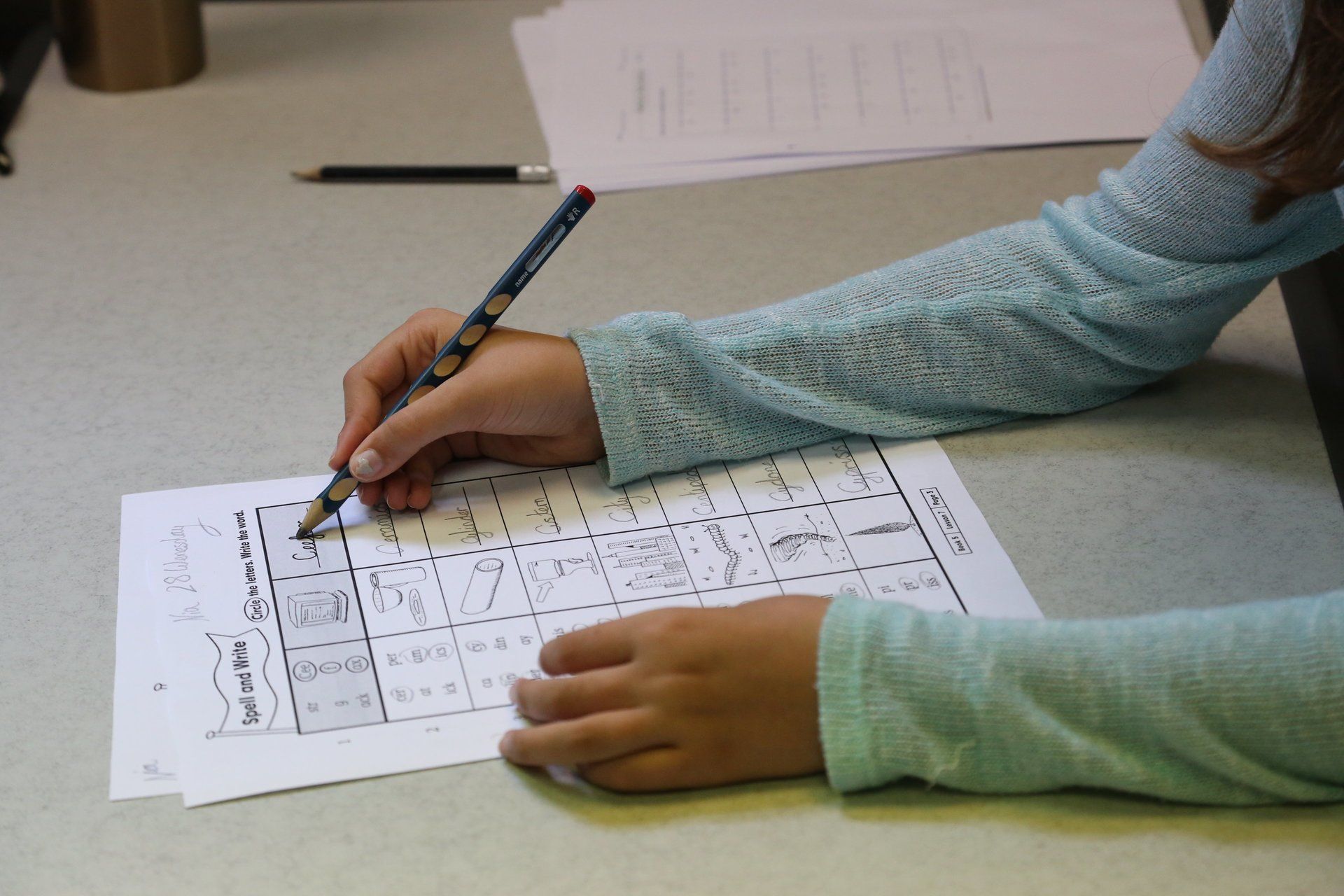
At Emerson House, children are helped to achieve joined-up writing whenever possible. Whilst encouraging production of an appropriate amount of written paperwork for their capacity, writing stamina and written skills are built up gradually. A specialist handwriting teacher is available on certain days for those who need it.
As dyspraxic children find handwriting difficult, most children also follow a special touch-typing programme, learning on blank keyboards using a full multi-sensory approach. This removes some of the emphasis on written work with the longer-term aim of working towards using a laptop to produce written work. The ability to touch-type well and accurately is particularly useful throughout secondary school and is a vital skill for dyspraxic children (and dyslexic children) to acquire. As well as leading to competent typing levels, the touch-typing programmes used at Emerson House are also specially designed to reinforce reading and spelling skills.
How we can help the child with maths difficulties
At Emerson House we teach maths in a very structured way, teaching all aspects of maths (with a primary focus on number-work) in a reasoning-based way. The children use concrete materials which are organised into simple cognitive tools and are actively involved in learning (otherwise known as a “problem solving approach” or a “guided discovery approach”). Children learn the most effective universal reasoning methods. At all times we aim to protect the long-term and working memory resources of children by teaching essential key facts. One of our key principles at Emerson House is that children have a good grasp of the foundation aspects of each area of number work before we progress onto more advanced levels of number work.
What happens next?
Children are seen for informal assessments of their literacy and numeracy to see whether Emerson House can help them. If necessary, children are referred to recommended educational psychologists for full assessments of their intellectual potential and their attainments in the core subjects of literacy and numeracy. Other weaknesses in underlying skills can be identified so that an appropriate programme can be devised for each child. These may occasionally include referrals to other specialists such as physiotherapists, occupational therapists and optometrists.
Following informal assessment, children are sometimes seen for a stand-alone specialist assessment of their underlying numeracy skills.
After Emerson House...
Most children either return to, or continue on to, mainstream schooling within Greater London. For children who are identified as needing more specialist support, a comprehensive service is provided to help parents consider appropriate options for specialist day or boarding schools which offer support for specific learning difficulties.
How do I apply?
You can contact Emerson House by calling us on 0208 741 4554 or emailing enquiries@emersonhouse.co.uk.
|